Sports Massage in Liverpool: What It Actually Involves (And Who It's For)
 By Romaniya (Roma), VTCT Level 4 sports massage therapist
· Updated
I get asked some version of the same question most weeks at the studio: “Is sports massage only for athletes?” No — and if that assumption is putting you off booking, it’s worth clearing up first.
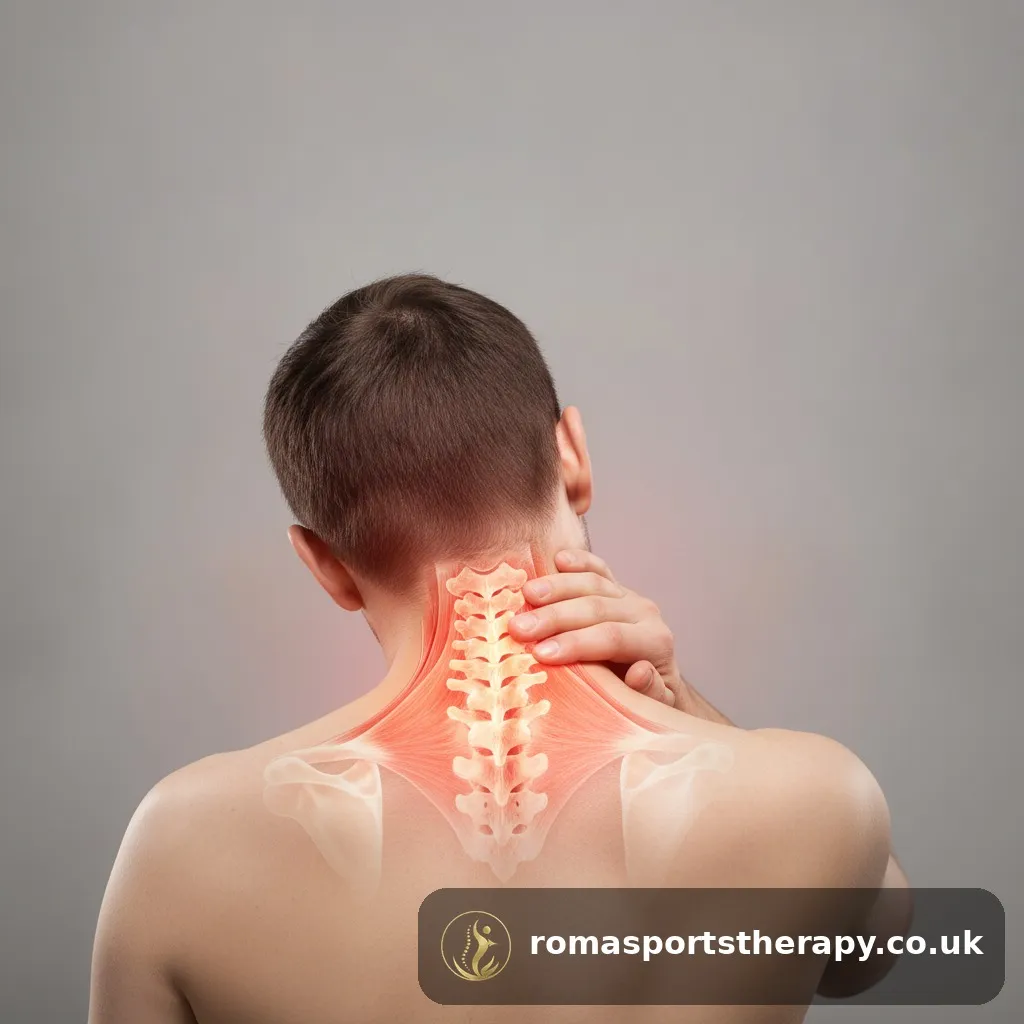
I’m Romaniya, and I run Roma Sports Therapy from my studio on High Street in Prescot, right on the edge of Liverpool. Most of the people who sit on my table on a Tuesday afternoon aren’t training for anything in particular. They’re warehouse workers with a tight lower back, parents who spend half the day lifting a toddler in and out of a car seat, office staff with a knot between their shoulder blades that’s been there since March, and — yes — plenty of runners, gym regulars and five-a-side players too. Sports massage is really just a name for a specific set of techniques. Who it’s “for” is much broader than the name suggests.
What sports massage actually is
Sports massage isn’t a softer, sportier version of a relaxation massage. It uses firmer, more targeted pressure aimed at specific muscle groups, rather than long, even strokes across the whole body. In a typical session I’ll combine a few approaches depending on what I find:
- Deep tissue work — sustained, firmer pressure through muscle layers that are consistently overloaded or tight, rather than a general rub over the surface.
- Trigger point work — holding pressure on a specific tight band or knot until it starts to release, rather than working around it.
- Stretching and mobilisation — moving a joint or muscle through its range while it’s warm and worked, which often achieves more than static stretching alone.
- Myofascial release — slower, sustained pressure through the connective tissue surrounding muscles, which is often where long-held tightness actually lives.
That’s different from a Swedish or relaxation massage, which prioritises flow and a calming effect over targeted problem-solving — both have their place, and you can see how the two compare on the treatments page, where I list deep tissue massage alongside the more relaxation-focused option.
Who actually books sports massage in Liverpool
In practice, the people who come to me fall into a handful of overlapping groups:
- Runners and gym-goers training regularly enough that recovery has become part of the plan, not an afterthought. If that’s you, I’ve written more specifically about sports massage for runners and gym recovery.
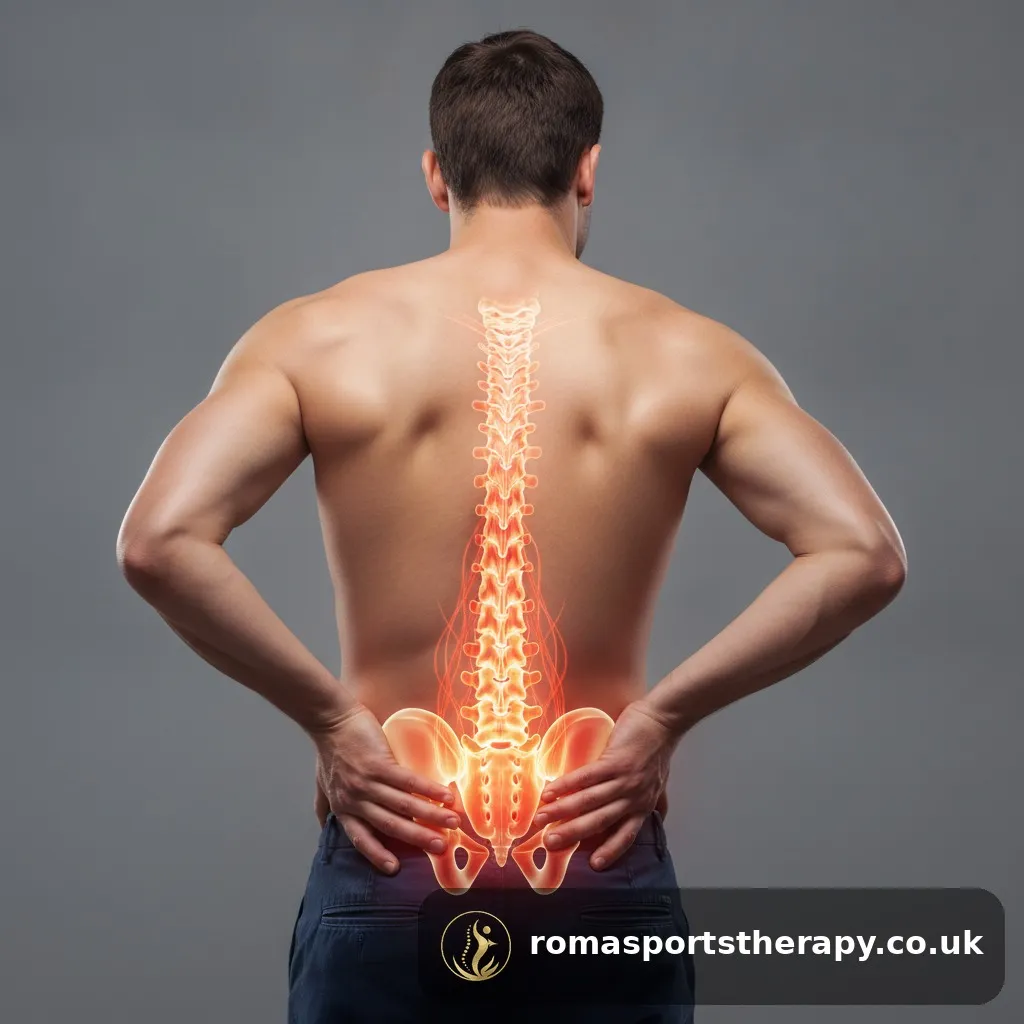
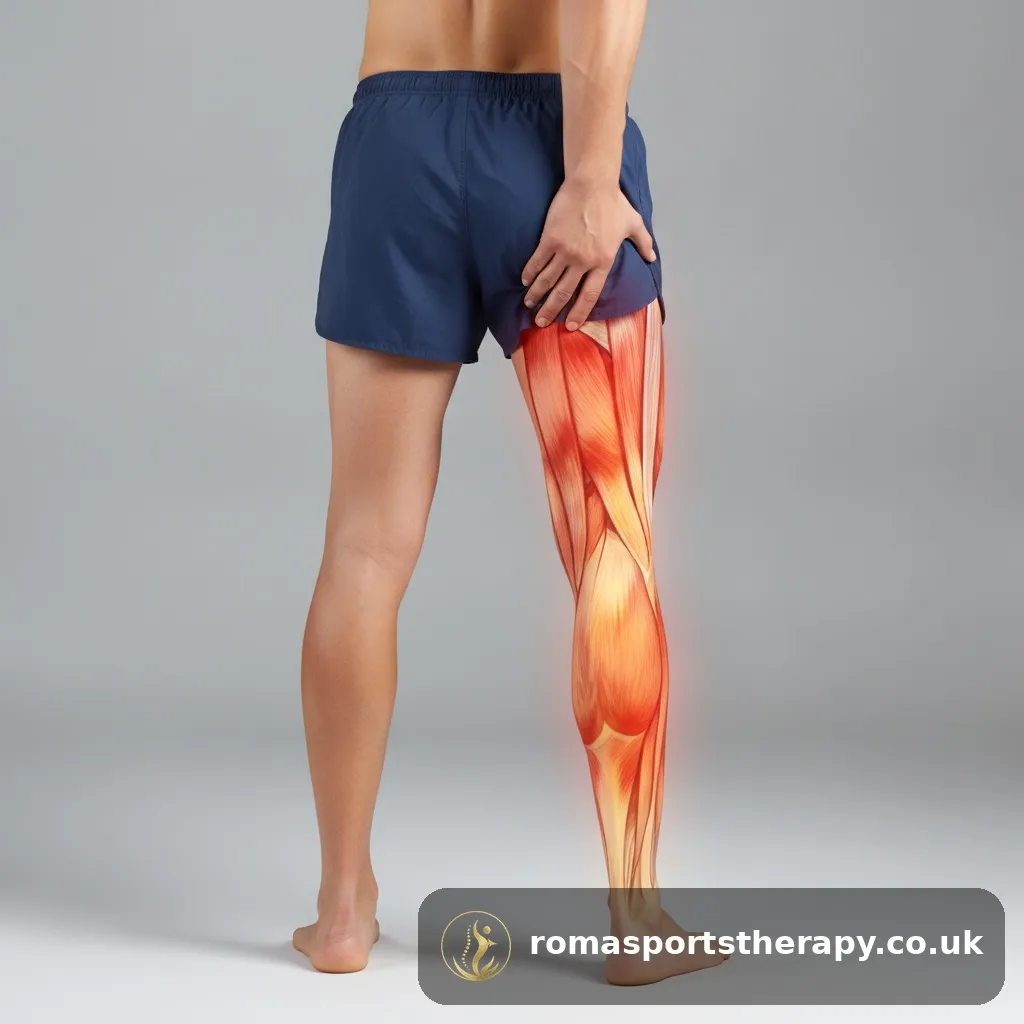
- People with desk-based or physically repetitive jobs — call centre and office staff with neck and shoulder tension, tradespeople and warehouse staff with lower back and hip tightness from lifting or standing.
- People carrying long-term muscular tension that isn’t linked to any one injury — it’s just built up. If that sounds familiar, back pain and muscular tension is worth a read.
- People who’ve tried a treatment before and want something more targeted than a general relaxation massage.
If you’re still not sure which treatment on the list actually fits your situation, I’ve written a straightforward breakdown of how to choose between deep tissue, sports massage and cupping.
What a first session usually involves
Every therapist works slightly differently, but here’s roughly what to expect when you book in with me. I’ll start with a short conversation — what’s bothering you, since when, whether you’ve had it checked out already, what you’re training for (if anything), and anything I should know before I put my hands on you. That’s not a formality; it changes how I work. A tight lower back from a desk job needs a different approach to the same complaint in someone who’s just increased their weekly mileage.
From there, treatment is adapted in the room to what I actually find, not a fixed routine run on autopilot. As it says on my about page, every client’s body is different, so every treatment should be too. Some areas will need firm, sustained pressure; others might just need mobilising or stretching. I’ll check in on pressure throughout — sports massage can be firm, but it shouldn’t be something you’re gritting your teeth through.
Afterwards, it’s normal to feel a bit like you’ve done a light workout — some tenderness in the areas that were worked is common, particularly the first time, and usually settles within a day or so. Gentle movement, water, and avoiding anything very strenuous for the rest of that day tends to help more than sitting still.
What sports massage can (and can’t) do
Regular sports massage can genuinely help with muscular tightness, restricted movement, and that build-up of tension that comes from training, work postures or old habits your body’s compensating for. Plenty of clients also find it useful alongside training for reducing that heavy, stiff feeling after hard sessions.
What it isn’t is a diagnostic or medical treatment. I’m not able to diagnose conditions, and sports massage doesn’t “cure” things like disc problems, nerve impingement or inflammatory conditions — it can often help with the muscular symptoms that go alongside them, which is a different thing. If you’ve got pain that’s sharp, radiating down a limb, linked to a specific injury that hasn’t been assessed, or just isn’t improving, that’s a conversation for a GP, physiotherapist or sports physician first. I’d always rather point someone in the right direction than treat something that needs a different kind of attention.
How often people come in
There’s no single right answer — it depends entirely on what you’re using it for. Some clients come in every few weeks as part of managing ongoing tension or supporting regular training; others book in occasionally around a specific event or a bad patch of tightness. If you’re not sure what makes sense for you, that’s exactly the kind of thing worth asking when you get in touch or during your first session — I’d rather build a realistic plan around your actual life than sell you a package you won’t use.
FAQs
How much does sports massage cost in Liverpool?
At my studio, prices currently range from £55 for a 60-minute Back, Neck & Shoulder or full-body Swedish massage up to £70 for a 90-minute Deep Tissue Full Body treatment. Full current pricing is on the treatments page.
Does sports massage hurt?
It can be firm, and some areas — particularly ones that are already tight — may feel tender while they’re being worked. It shouldn’t be painful to the point of tensing up against it, though. Tell your therapist if pressure needs adjusting; a good session is firm, not unbearable.
Do I need to be an athlete to book sports massage?
No. Most of the people I treat aren’t athletes at all — desk workers, tradespeople, parents and gym regulars make up the majority of my clients.
What’s the difference between sports massage and deep tissue massage?
There’s a lot of overlap, and in practice the two often blend together in a session. I’ve broken this down properly in choosing the right treatment.
Can sports massage help with back pain?
It can help with muscular tension and tightness contributing to back pain, though it isn’t the right first step for nerve-related pain or a suspected injury. More detail in sports massage for back pain and muscular tension.
How do I book?
Online, through Fresha, or you can get in touch directly if you’ve got questions first.
If you’re in Liverpool and you’ve been putting up with muscular tightness that isn’t shifting on its own, sports massage is worth discussing with a qualified therapist.