Recovery & TrainingSports Massage
Sports Massage for Runners and Gym-Goers: Recovery, DOMS and Avoiding Injury
 By Romaniya (Roma), VTCT Level 4 sports massage therapist
· Updated
Liverpool’s got a decent running scene — parkruns most Saturdays, a marathon and half marathon each year, plenty of running clubs, and gyms that never seem short of people. A good chunk of my clients are training for something, or just training consistently enough that recovery has stopped being optional. This one’s for you.
Timing: before or after training?
This trips a lot of people up. The short version: lighter work before, firmer work after — and not right before something important.
If you’re booking close to a race, a match or a heavy gym session, deep, firm work isn’t the right choice that day — it can leave muscles feeling tired or slightly sore, which is the last thing you want a few hours before performing. Lighter, more mobility-focused work in the days beforehand is more sensible if you want a pre-event session at all.
After training is where deeper, more targeted work earns its keep — but timing still matters. Straight after a hard session, muscles are often already inflamed and fatigued, so I’d usually rather see clients a day or two later once the initial fatigue has settled, particularly if we’re doing proper deep tissue work. That said, if you’re combining it with a general recovery day, gentler work sooner can still feel genuinely good — it doesn’t have to be all-or-nothing.
What about DOMS?
Delayed onset muscle soreness — that stiff, achy feeling that turns up a day or two after a hard session, particularly after something new or unusually intense — is one of the most common reasons people book in. Here’s the honest picture: research on massage and DOMS is generally positive but modest. Several studies and reviews suggest massage can reduce the perceived intensity of soreness, but it isn’t a way to skip the recovery process entirely, and it won’t stop DOMS from happening in the first place. Sleep, hydration, gradual training progression and simply giving muscles time still do most of the heavy lifting. Massage is a genuinely useful part of the picture — I wouldn’t oversell it as more than that.
Common patterns I see in runners and gym-goers
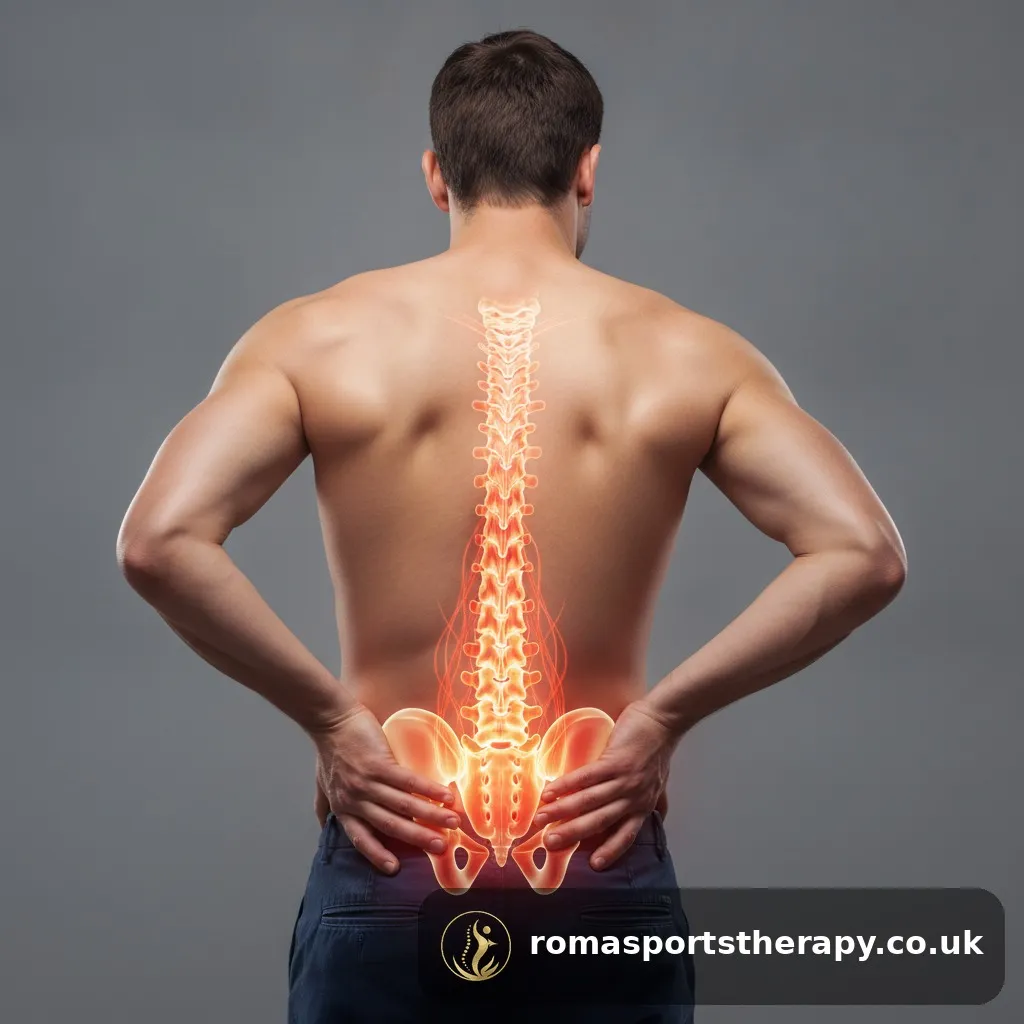
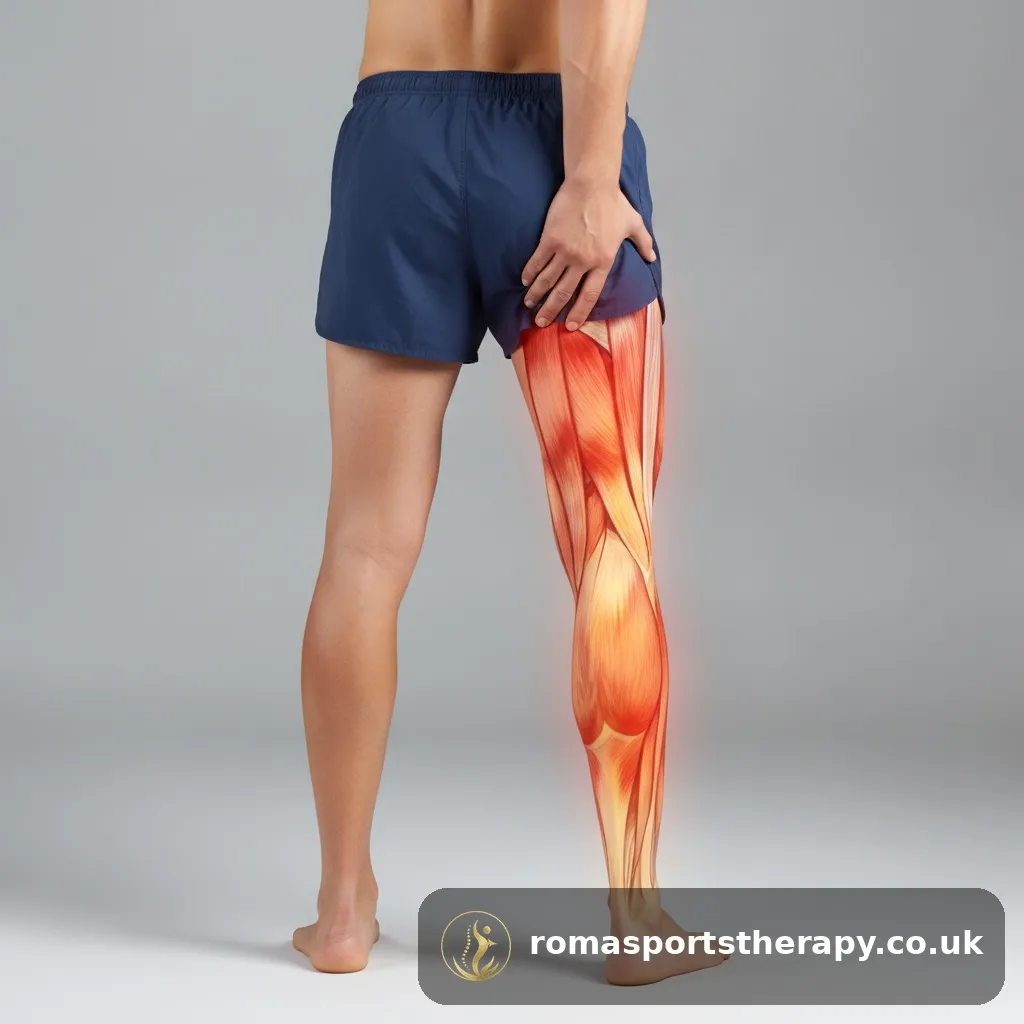
Runners tend to carry tightness through the calves, hamstrings, hip flexors and glutes, often more on one side than the other depending on stride pattern or old habits. Tight hip flexors and glutes in particular can contribute to lower back tension too — if that’s part of your picture, back pain and muscular tension covers that side of things in more depth.
Gym-goers, especially anyone doing a lot of pressing or pulling work, tend to hold tension through the lats, upper traps and chest, on top of whatever’s tight from sitting at a desk the rest of the week. Leg day regulars carry a lot of the same quad, hamstring and glute tightness as runners.
Anyone increasing volume or intensity quickly — new to running, upping mileage for an event, starting a new gym programme — is more likely to develop tightness and, in some cases, overuse-type niggles. Massage can help manage the muscular tightness side of this, but it isn’t a substitute for sensible programming, and persistent joint or tendon pain (as opposed to general muscle tightness) is worth getting properly assessed by a physiotherapist rather than just massaged through.
How often makes sense
For most people training regularly without anything specific coming up, every few weeks tends to keep on top of the tightness that builds up between sessions. Coming up to a big event, some people like a session in the final week or two (kept light, as above) and another once they’ve recovered a week or so after. There’s no universal formula here — it genuinely depends on your training load, budget and how your body responds, which is worth a proper conversation rather than a generic rule. Feel free to ask when you book.
Recovery beyond massage
Massage works best as one part of a recovery routine, not the whole thing. Sleep is the biggest lever most people underuse. After that: adequate protein and overall food intake, staying on top of hydration, and actually building rest days into a training plan rather than treating them as optional. Some clients also find cupping useful as an additional recovery tool alongside massage, particularly for stubborn tightness in the upper back and shoulders from heavy training weeks.
If you’re weighing up whether a full deep tissue session or something more targeted fits your training better, choosing the right treatment walks through that decision, and the full guide to sports massage covers what a session actually involves if you haven’t had one before.
FAQs
Should I get a sports massage before or after a run?
Lighter, mobility-focused work is generally better before, especially close to a race. Firmer, deeper work is better suited to a day or two after training, once the initial fatigue has settled.
Does massage actually help with muscle soreness (DOMS)?
There’s reasonable evidence it can reduce how sore muscles feel, but it won’t prevent DOMS altogether or replace proper recovery basics like sleep and hydration.
How soon after a race can I get a sports massage?
Most people are fine with a gentle session within a few days, and firmer deep tissue work once the initial soreness has settled — usually within a week, though this varies person to person.
How often should runners get a sports massage?
There’s no fixed rule — it depends on training volume and how your body responds. Every few weeks is common for regular training; more frequently isn’t necessarily better.
I’m not training for anything specific, just going to the gym regularly — is sports massage still worth it?
Yes. Most of my regular clients aren’t training for events at all; they’re just managing the tightness that comes from consistent training or physical work.
If training’s left you carrying more tightness than you’d like, a properly targeted deep tissue or full-body treatment is worth considering.