Back Pain & TensionSports Massage
Muscular Back Pain and Tension: How Sports Massage Can Help (And When to See Someone Else First)
 By Romaniya (Roma), VTCT Level 4 sports massage therapist
· Updated
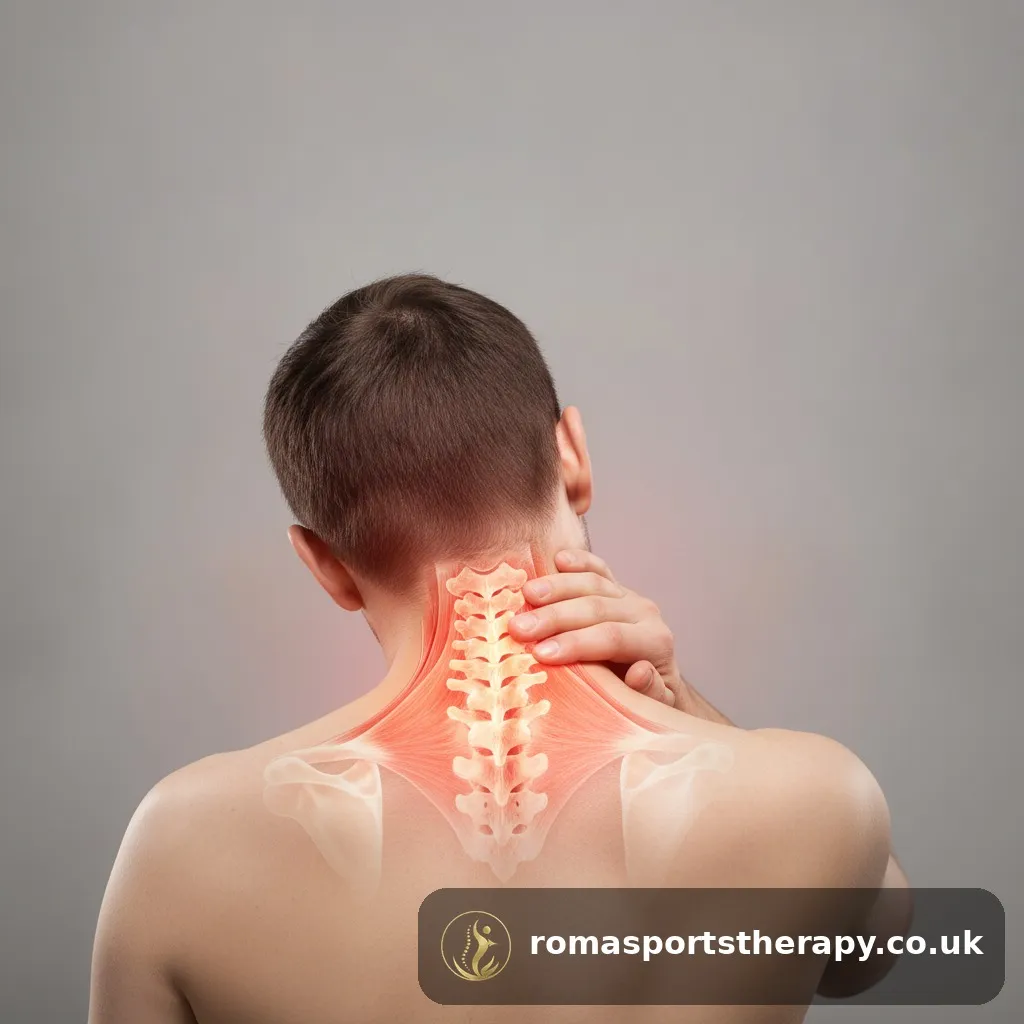
Back tension is probably the single most common complaint I hear at the studio. Some of it comes from training. A lot more of it, honestly, comes from ordinary Liverpool life — long shifts on your feet, hours at a desk, driving, lifting things awkwardly without thinking about it. Before we get into how sports massage can help, I want to be upfront about something: not all back pain is the same, and massage isn’t the right starting point for every kind.
Muscular tension vs something else
Most of what I treat is muscular — tight, overworked or shortened muscles pulling on the spine and surrounding structures, causing stiffness, aching, or a dull, localised discomfort that tends to ease with movement and worsen with prolonged sitting or standing. This is the kind of back pain sports massage is genuinely good at addressing.
Some back pain isn’t muscular in origin, though — it’s coming from a disc, a nerve, or something that needs a proper clinical assessment. Signs that point away from a straightforward muscular issue include:
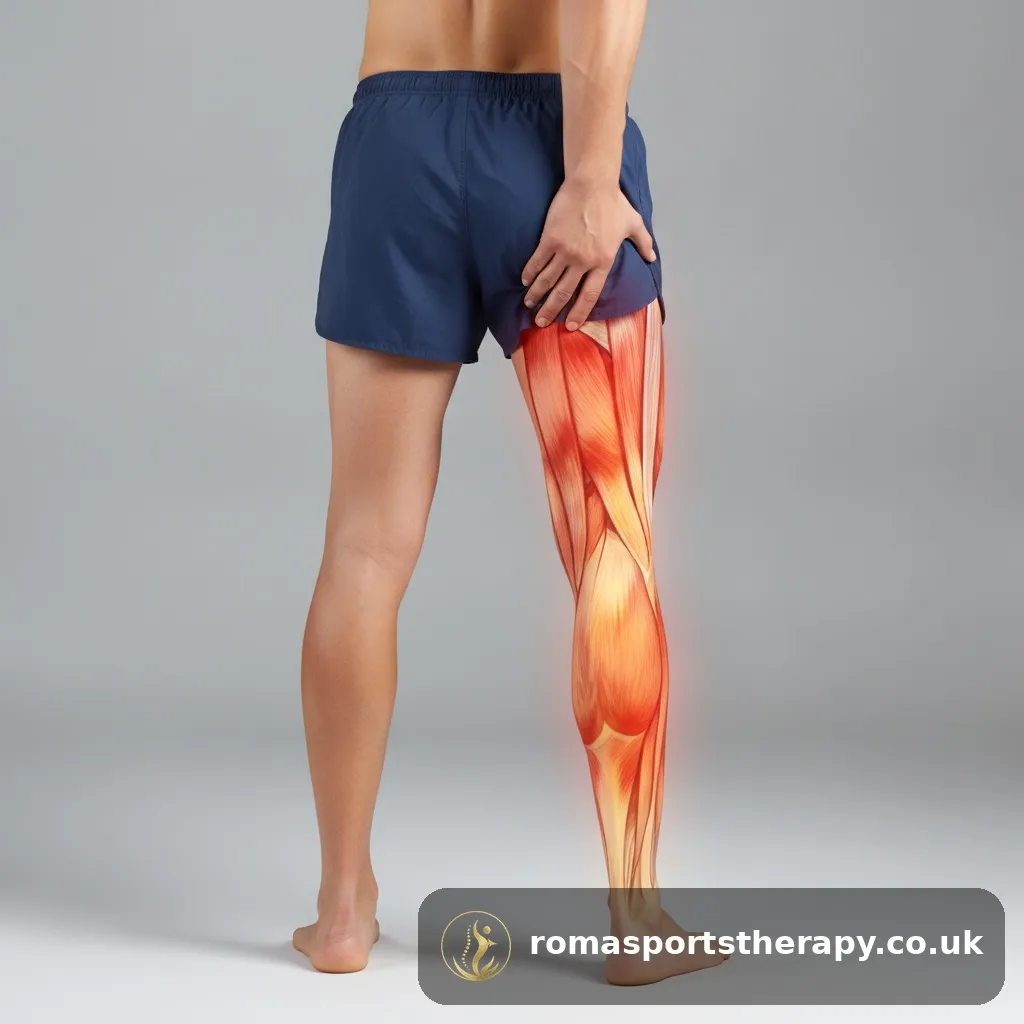
- Pain that shoots down one leg, especially past the knee (this can point to sciatic nerve involvement)
- Numbness, tingling, or weakness in a leg or foot
- Pain that started after a specific fall, accident or heavy lifting incident and hasn’t settled
- Pain that wakes you at night or doesn’t ease at all with rest
- Any loss of bladder or bowel control, or numbness in the saddle area — this needs urgent medical attention, not massage
If any of that sounds familiar, please see a GP, physiotherapist or other appropriately qualified healthcare professional before booking a massage. I’m not able to diagnose what’s causing pain like this, and a massage in the wrong situation can, at best, waste your time and, at worst, mask something that needs proper assessment.
For everything else — the tight, aching, stiff-but-not-alarming kind of back pain — this is exactly where I can help.
What I actually see, week to week
A few patterns come up again and again in my Liverpool clients:
Desk-based tightness. Hours in a chair shortens the hip flexors and rounds the upper back, which pulls the whole posture forward. The muscles running either side of the spine (erector spinae) and the muscles between the shoulder blades end up doing extra work just holding you upright against that pull, and that’s usually where the aching sits.
Physical work and lifting. Warehouse staff, tradespeople and anyone doing repetitive lifting tend to carry tension through the lower back and hips — often the quadratus lumborum (the deep muscle at the side of your lower back) and glutes, which can also refer discomfort that feels like it’s coming from the back itself.
Training-related tightness. Increasing training volume, changing your gym programme, or simply not warming up properly can leave the lower back and surrounding muscles chronically tight. If that’s your situation, it’s worth reading sports massage for runners and gym recovery alongside this.
One-sided or postural imbalance. Carrying a bag on one shoulder, favouring one side during sport, or an old habit you’ve never noticed can create asymmetric tension that shows up as one-sided back or shoulder tightness.
How treatment usually helps
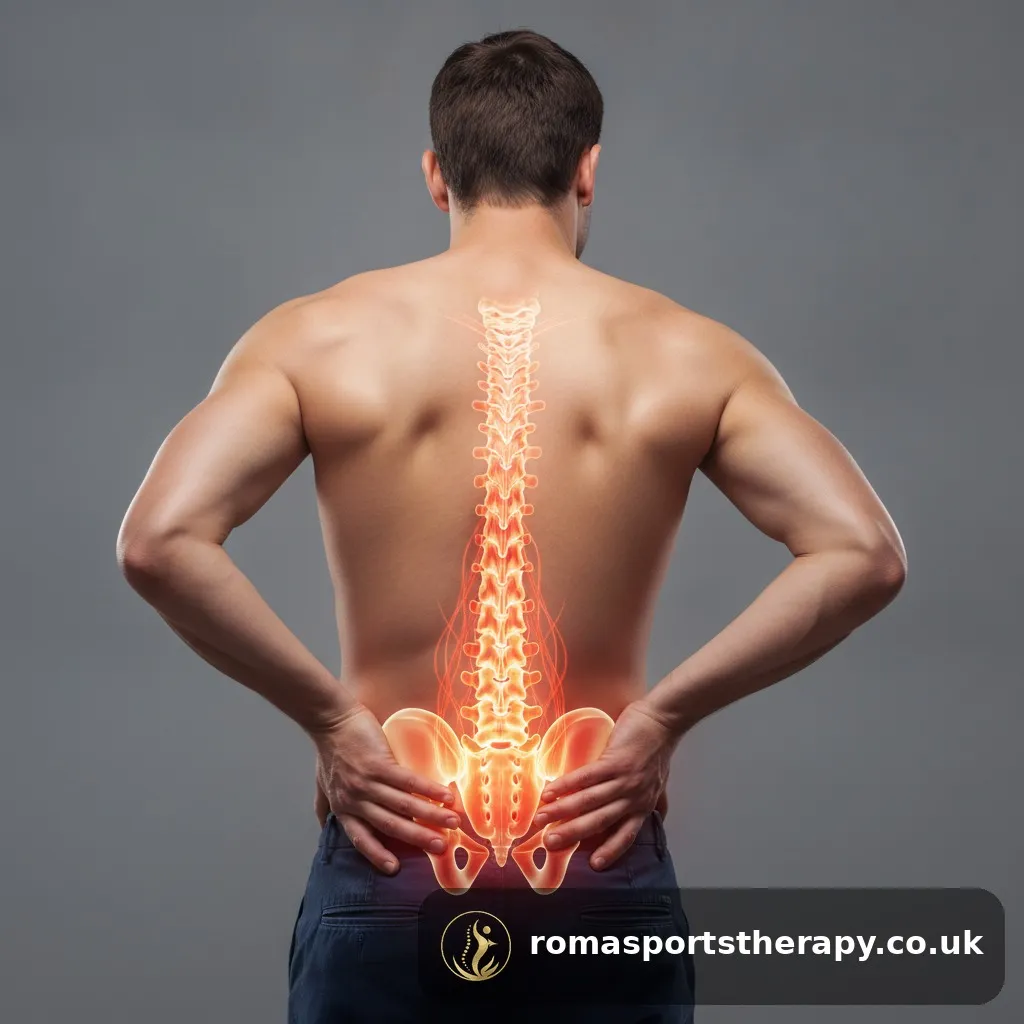
Massage works on muscular back tension by easing the tight bands and knots that are pulling on the spine, improving blood flow to the area, and — often just as importantly — helping you notice where you’re holding tension in the first place. For most clients dealing with back and shoulder tightness, I’d typically use the Back, Neck & Shoulder treatment as a focused 60-minute session, or a full deep tissue massage if the tension is more widespread through the back and legs together.
Some clients also find cupping therapy useful alongside massage for particularly stubborn areas between the shoulder blades — it’s a different mechanism (decompression rather than compression) and some people respond well to combining the two.
If you’re not sure which of these actually fits your situation best, I’ve written a full comparison in choosing the right treatment, or broadly what sports massage involves if you want the wider picture first.
What helps between sessions
A few things that genuinely make a difference between appointments:
- Keep moving. Gentle walking and normal daily movement tends to help muscular back tension far more than resting completely still.
- Heat, not ice, for tight muscles. Ice has its place for acute injuries, but for ongoing muscular tightness, warmth tends to be more comfortable and helps the area relax.
- Don’t push into sharp pain. Gentle stretching within a comfortable range is fine; forcing a stretch that causes sharp pain isn’t the goal.
- Look at what’s causing it. If a desk setup, a car seat position or a lifting habit is the root cause, no amount of massage will fully undo tension that gets recreated every day. It’s worth thinking about what’s contributing, not just treating the result.
When to come back — or go elsewhere
If muscular back tension responds well to a session or two and stays manageable with normal activity, that’s a good sign it’s genuinely muscular and massage is a sensible ongoing option. If pain isn’t improving after a few weeks, is getting worse, or starts showing any of the red flags above, that’s the point to see a GP or physiotherapist rather than booking another massage and hoping.
FAQs
Can sports massage fix a slipped disc?
No — massage doesn’t treat disc problems directly, and I wouldn’t claim otherwise. It may help ease the surrounding muscular tension some people experience alongside a disc issue, but the disc itself needs proper medical assessment and, usually, physiotherapy-led management.
Is it normal for my back to feel sore after a massage?
Some tenderness for a day or so is common, especially after firmer work on tight areas. It should ease within 24–48 hours. Ongoing or worsening pain isn’t normal — get in touch if that happens.
How often should I get a massage for back tension?
It depends on how the tension built up and whether the underlying cause (posture, training, work) is still present. Some clients find every few weeks helps keep on top of it; others just book when it flares up. Happy to talk through what makes sense when you get in touch.
Should I get a massage or see a physio?
If your pain is muscular, non-radiating and linked to obvious causes like posture or activity, massage is a reasonable starting point. If you’ve had a specific injury, radiating pain, numbness, or pain that isn’t improving, see a physiotherapist or GP first.
Does cupping help with back pain too?
Some clients find it useful for stubborn upper back and shoulder tension specifically, often combined with massage rather than instead of it. More on that in cupping therapy in Liverpool.
If tightness through your back and shoulders has been building for a while and movement or rest isn’t shifting it, it may be worth discussing with a qualified therapist — you can view treatments and prices when you’re ready.